)
)
The rise of interior wrapping: four trends you need to know right now

There is a growing trend towards having wrap work inside buildings. In 2026, a lot of that demand comes from refurbishment jobs – such as refreshing shops, hotels, offices, public spaces, or anywhere a surface needs to look better, perform harder, or be updated without a full refit. Wrap installations reduce the need for several workers on site, keep disruption low, and meet the standards expected in public-facing spaces.
Architectural window films are a clear example of how wrapping is used inside buildings, and it’s forecast to reach $6.5bn by 2033. Wrapping is showing up on show floors too. At FESPA Middle East, for example, wrap demos covered non-vehicle objects, including mirrors. This reflects the wider interest in interior applications and represents a significant and growing pipeline of work.
FESPA 2026 will also address increased demand for wrapping, through its co-located event, WrapFest. WrapFest, taking place at the Fira Barcelona from 19 to 22 May, was designed to bring the architectural interior and wrapping industries into the same space as the wider wrap and speciality print community.
Yet, interior wrapping has its own demands, its own material categories and its own client expectations – and understanding where the market is heading is the first step to being able to capitalise on it.
Here are the four trends driving interior wrapping right now:
1. More refurbishment and refresh work instead of replacement
The strongest driver of interior wrapping growth is the enormous stock of existing buildings that need updating – but won’t necessarily undergo a full refurbishment. In these cases, architectural films are considered as a “remodel and reuse” solution, as businesses, landlords and facilities managers are under pressure to keep spaces looking fresh while keeping costs and disruption down.
This trend is becoming very common in ordinary places. For example, reception desks with worn corners, lift lobbies with dated panels, hotel corridors and retail fixtures. Wrapping makes these refresh cycles realistic and easier to repeat because the work is faster than a full refit, and it can often be done with less disruption.
2. Premium material-effect films
There’s also been a noticeable shift in the expectations of customers and how they want finished results to look and feel. Although customers still consider flat colours for interior designs, they also demand more films that mimic real surfaces like timber grain, stone, brushed metal, concrete and layered textures. We can see this trend in product ranges, where some brands offer hundreds (and in some cases over a thousand) colours and textures for interior surfaces, and promote them to remodel surfaces with less downtime and disruption than traditional work.
The practical outcome is that interior wrapping is treated more like interior fit-out work than signage. The craft and experience for premium material- effect films are also an important aspect to consider, as expectations are way higher for premium material-effect films. This is driving
investment in the knowledge, skills and training that will be highlighted at WrapFest 2026 in Barcelona.
3. More focus on durability and maintenance
Interior wraps have to be robust enough to withstand day-to-day use. As wrapping moves beyond feature walls and into fixtures and furniture, clients pay much more attention to how it wears. They also want finishes that are easy to maintain, especially in commercial spaces in hospitality and retail, where cleaning is frequent and standards are higher.
This is why manufacturers lead with performance data on their architectural wrapping options. Customers want to know how a film handles scuffs, scratches and stains, and whether it will still look good after years of use. That is why durability and easy maintenance are becoming big trends in interior wrapping.
For printers and installers, this changes what “good” looks like on-site. It’s important to be clear on which surfaces are suitable, what prep is required and what cleaning guidance to hand over at sign-off.
4. Architectural window film used for multiple purposes
Architectural window film is one of the most commercially versatile products in the interior wrapping category, as they regularly combine multiple functions in a single application. For example, solar control films reduce heat gain and glare that can help reduce energy costs and improve comfort without replacing glazing. Frosted and patterned decorative films create privacy while adding to the aesthetic of a space. Safety and security films hold shattered glass together on impact, which is an important requirement in many public and commercial buildings. And many installations deliver more than one of these outcomes at the same time.
This multi-function quality is a strong selling point as it helps clients to improve comfort, meet safety requirements and add privacy in a single, low-disruption installation. This opens doors to commercial and public sector projects that purely aesthetic products can’t reach.
The common thread across all four of these trends is that interior wrapping is a distinct and growing area with its own craft standards, material categories and commercial logic.
See wrapping solutions in one place
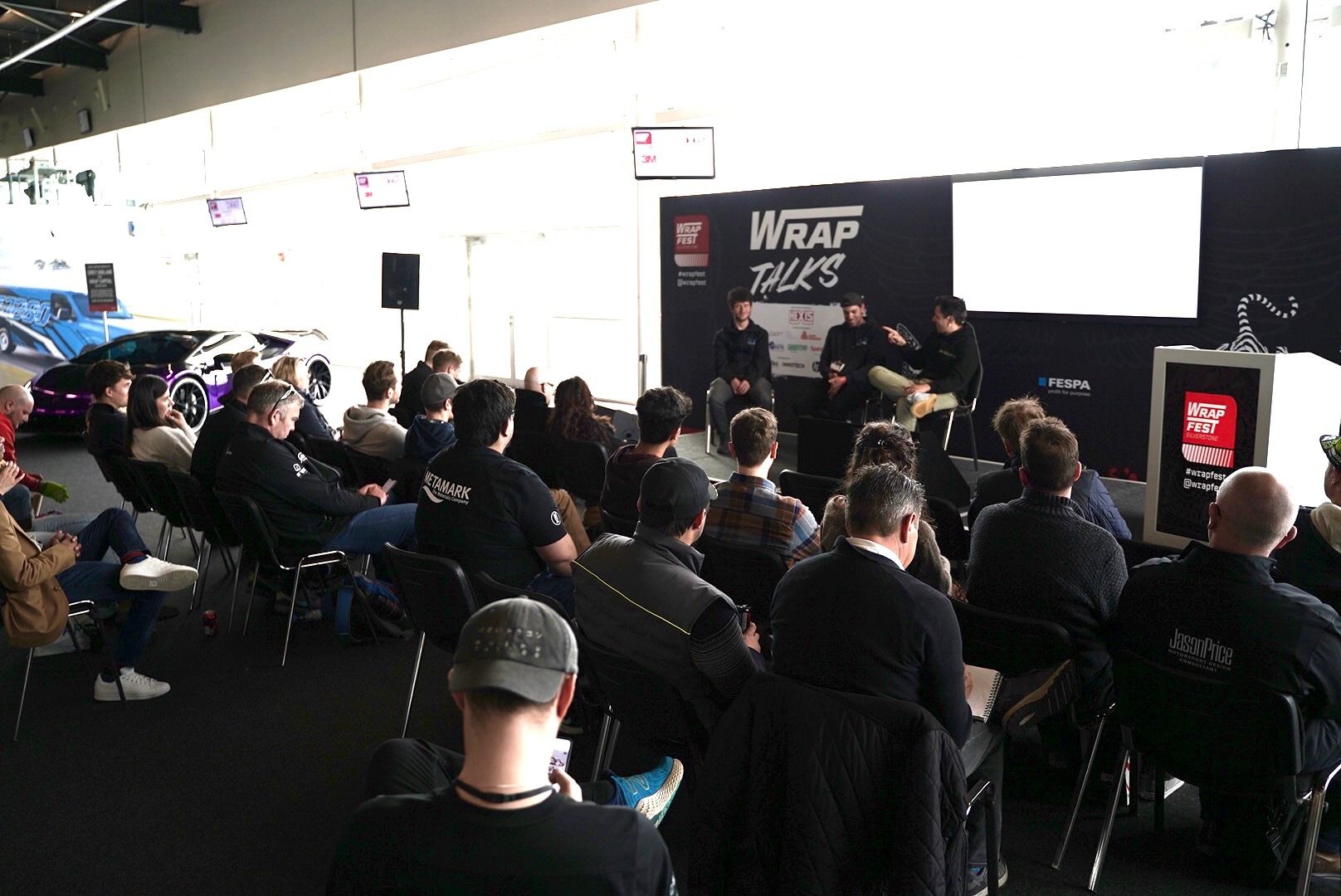
WrapFest, a co-located FESPA 2026 event, showcases all aspects of wrapping, its applications and the opportunities it can bring to businesses. With over 2,000m² of dedicated exhibition space, live demos, a WrapTalks conference programme and the World Wrap Masters competition on the floor, it brings together experts in the vehicle and interior wrapping communities, alongside the broader speciality print and signage industry that FESPA 2026 attracts.
Whether your interest is in architectural films, window film, premium surface finishes, or understanding where the commercial opportunities in this market are heading, WrapFest is the place to see it, learn it and connect with the experts driving it forward. That is why this year,
WrapFest and FESPA 2026 co-located events are operating under the strapline ‘The Place For Experts’.
For more information on WrapFest, visit: https://www.wrap-fest.com/ and register now at https://www.wrap-fest.com/visitor-tickets . Use code WPFM606 before 23 March to use the Super Early Bird rate of €30.